Professional Machine Shop Support for Custom Engineering Projects
 alex john
 Selecting the right partner for custom engineering work demands attention to detail at every stage. Reliable shops deliver accurate parts that meet exact project needs without delay. Choosing a machine shop in Dallas often starts with a review of available tools and past project records. Clear communication between the client and the shop team prevents costly errors later. Steady focus on these basics leads to stronger final results across varied engineering tasks.
Precision Equipment Standards
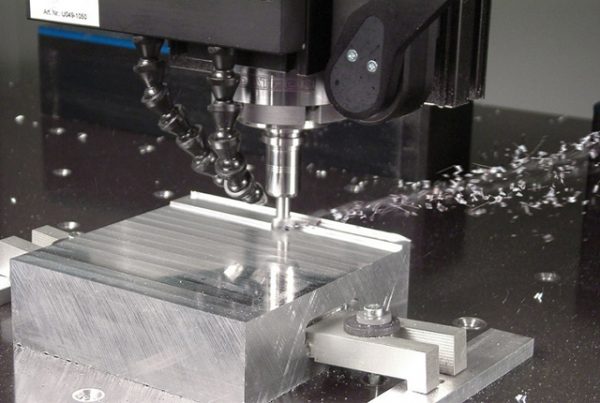
Modern machines produce tight tolerances needed for complex parts. Regular maintenance keeps every tool running at peak accuracy. Updated software supports designs that match the original plans closely. Shops that invest in current equipment reduce the risk of dimensional errors during production.
- Updated machines hold tight tolerances for complex engineering parts.
- Regular tool checks prevent drift during long production runs.
- Advanced software links design files directly to cutting paths.
- Clean work areas protect finished surfaces from contamination risks.
- Calibration records confirm accuracy before each new project begins.
Skilled Operator Experience
Trained staff interpret drawings and adjust settings for best outcomes. Years of hands on work help them spot potential issues early. Team members who understand material behavior create stronger finished components. Continuous learning keeps the group ready for new design challenges.
Custom Design Flexibility
Shops that accept unique requests adapt quickly to changing project goals. They modify setups without forcing the design into standard limits. Open discussion of material choices supports better performance under real conditions. Flexible teams deliver parts that fit the intended system on the first attempt.
Quality Control Processes
Inspection at multiple stages catches defects before they reach the client. Measuring tools verify that every dimension stays within the allowed range. Final checks confirm surface finish and overall fit. Shops that document each step provide clear proof of consistent standards. Results from a machine shop in Houston often follow the same careful inspection path.
- Stage by stage checks catch defects before parts leave the floor.
- Precision gauges confirm dimensions stay inside required limits always.
- Surface finish tests verify smoothness for proper system assembly.
- Written records track every measurement for later client review.
- Final fit trials ensure components work together without adjustment.
Timely Project Delivery
Clear schedules set realistic dates for each phase of the work. Progress updates keep the client informed without constant requests. Shops that plan material orders ahead avoid common supply delays. Reliable delivery supports the larger engineering timeline without extra cost.
Attention to equipment standards operator skill design flexibility quality checks and schedule reliability forms a complete support system. Matching these elements to project requirements produces accurate parts that perform as intended. Steady review of each factor before starting work protects both time and budget while delivering dependable custom engineering results.
What equipment features support accurate custom parts?
Modern machines with regular calibration deliver tight dimensional control.
How does operator skill improve final component quality?
Experienced staff adjust settings and spot issues before production starts.
Why plan delivery schedules early in the process?
Early planning avoids supply delays and keeps the full timeline intact.