May 2026

How Search Engines Decide What You See (And What Gets Buried)

You search for something on Google. You get millions of results. You click on one of the first three links and move on with your day. Most people never think about why those particular links showed up at the top, or what got pushed to page two and beyond.

That matters more than you might think.

Search rankings are not neutral. They are the product of algorithms that make billions of tiny decisions about what is relevant, trustworthy, and useful. Those decisions are made by machines trained on data that reflects human biases, commercial interests, and sometimes outright manipulation.

The basic mechanics are not secret. Google has published guides explaining that their ranking system considers hundreds of factors, including how many other sites link to a page, how long the content is, whether the site loads quickly, and how users behave when they visit. The problem is that knowing the factors is not the same as understanding the outcome.

For one thing, the system rewards sites that are already popular. A page that gets lots of clicks stays near the top, which means it keeps getting lots of clicks. A newer or smaller source, even if it has better information, starts at a disadvantage that compounds over time. The rich get richer, basically.

Then there is the commercial angle. Google makes money from ads. Search ads appear at the top of results, and they look increasingly similar to organic results. A study by the Nielsen Norman Group found that many users cannot reliably distinguish between paid and organic results, especially on mobile devices. This is not an accident. The blurring of the line benefits the company selling the ads.
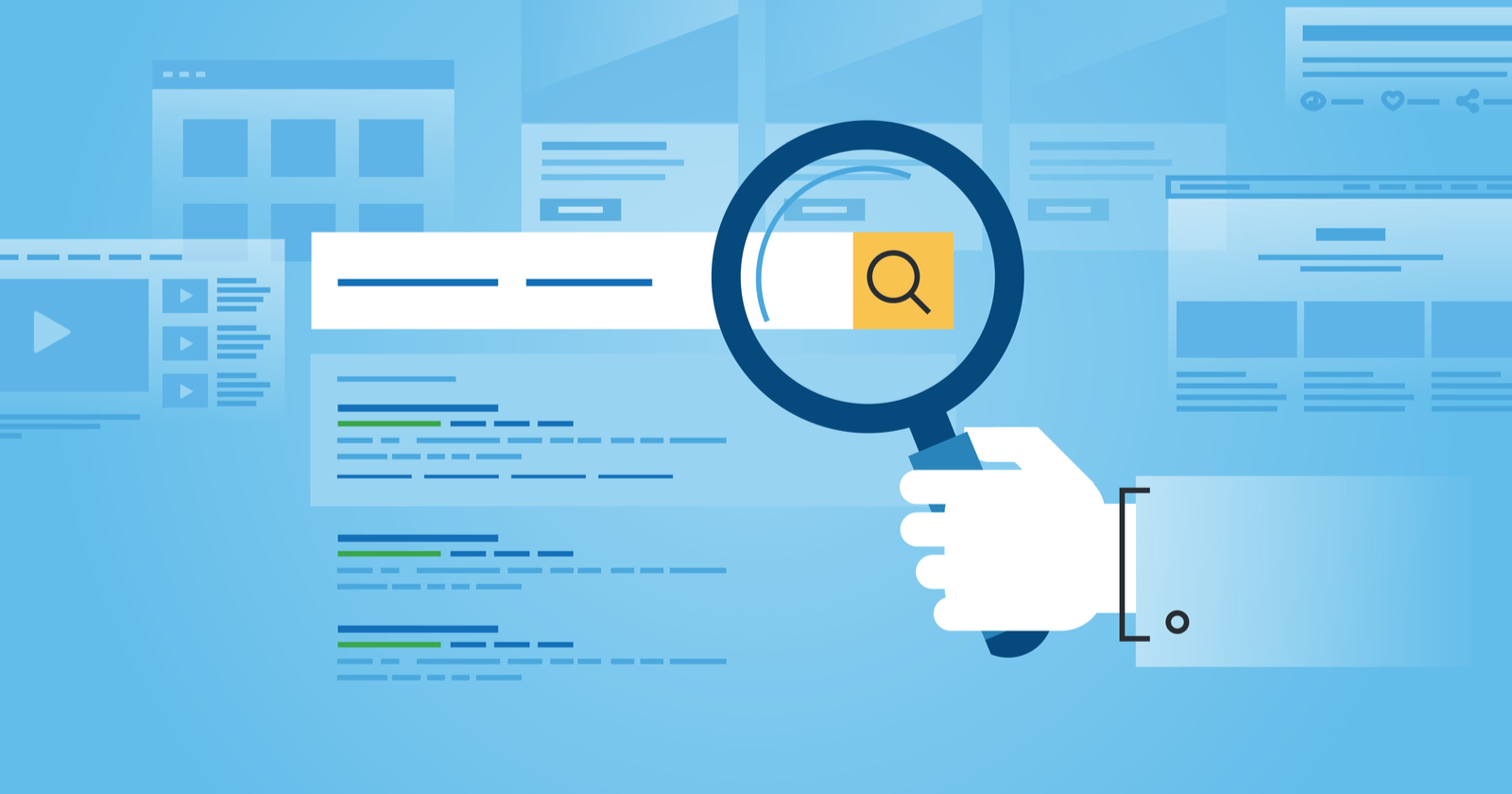
search engines ranking

SEO, or search engine optimization, adds another layer. Companies spend billions every year gaming the ranking factors to get their content higher in results. Some of this is legitimate: making your site faster, writing clear headlines, organizing content well. Some of it is not: buying links, stuffing keywords, creating thin content designed purely to rank. The result is that what rises to the top is often what was best optimized, not what is most accurate or helpful.

This creates a feedback loop where information that already has visibility keeps getting more visibility, regardless of quality. FactSignal shows that there is often a real gap between popularity and accuracy. The sites at the top are not necessarily wrong, but they are not necessarily the best either.

None of this makes search engines evil. Google handles billions of queries daily and the results are genuinely useful most of the time. But useful is not the same as comprehensive or fair, and the difference matters when you are researching something important.

A few habits can help. Scroll past the first few results. Check multiple sources, especially ones you have never heard of. Be skeptical of results that seem to confirm exactly what you already believe, because personalization algorithms love feeding you more of the same.

Search is the front door to the internet for most people. Understanding who built the door, and why it opens the way it does, is worth thinking about.


Understanding Service Plans Before Choosing Long Term Access Options

People looking at IPTV services eventually reach the same decision point. After comparing content, devices, and streaming quality, attention shifts toward the subscription itself. That part sounds straightforward until dozens of plans appear on the screen.

Monthly access, quarterly packages, annual plans, multi connection options, trial periods, extended subscriptions. The differences are not always obvious at first glance. A subscription is more than a payment period.  For that reason, evaluating IPTV Subscriptions works best when the focus stays on practical use rather than promotional descriptions.

How Subscription Models Differ Across Providers

Not every provider structures access in the same way. Some focus almost entirely on short term plans. Others encourage longer commitments through extended subscription periods. A few allow viewers to move between plans with relatively little effort. The structure itself can influence the experience.

For example, someone testing IPTV for the first time may feel more comfortable with a shorter plan. A viewer who has already spent months using a service may approach subscriptions differently.

Common plan formats include:

  • Monthly access
  • Quarterly subscriptions
  • Semi annual plans
  • Annual subscriptions
  • Multi connection plans
  • Trial access periods

Each serves a different purpose depending on viewing habits and household requirements.

IPTV Subscriptions

Activation Processes And Account Management

Activation is one of those areas people rarely think about until they encounter it. Some services provide access almost immediately after registration. Others require additional setup steps before viewing begins.

The process can involve:

Area What Happens
Account creation User registration
Service activation Access is enabled
Device setup Application configuration
Login verification Account confirmation
Connection assignment Device authorization

Most viewers prefer a process that feels straightforward. Complicated activation procedures can create frustration before the first channel even loads. That first experience sometimes shapes opinions more than providers realize.

Multi-Screen Usage Considerations

Viewing habits have changed dramatically over the last few years. One television is no longer the center of every household. A parent watches news in one room. Someone else streams a film elsewhere. Another family member opens live sports on a mobile device. Situations like this make connection limits important. Some subscriptions are designed for single screen viewing. Others allow multiple simultaneous connections.

Questions worth considering include:

  • How many devices may connect at once?
  • Are mobile devices supported?
  • Can accounts be used across different locations?
  • Is switching between devices simple?

These details may seem minor initially. Later they become part of everyday use.

Why The Cheapest Plan Is Not Always The Best Value

Price comparisons are common, but value involves more than cost. A lower priced subscription may appear attractive until viewers encounter limitations that affect regular use. Perhaps the application receives infrequent updates. Maybe navigation feels slow. Sometimes content categories become difficult to browse.

The opposite can happen as well. A slightly higher priced plan may provide a noticeably smoother experience through better organization, stronger support, and improved reliability. That does not mean expensive options are always superior. It simply means pricing should be evaluated alongside overall service quality.

Renewal Procedures And Service Continuity

Renewals rarely receive much attention during the initial selection process. Months later, they become relevant. A well managed renewal process helps maintain uninterrupted access. Account information remains accessible. Viewing preferences stay intact. Device configurations continue working normally.

Some providers make renewals feel seamless.

Others create unnecessary complications.

A smooth renewal process often includes:

  • Clear account information
  • Accessible subscription status
  • Straightforward plan management
  • Consistent account settings
  • Reliable service continuity

Viewers generally notice these things only when they stop working properly.

Choosing IPTV Subscriptions involves more than selecting a payment period. Subscription structure, activation procedures, connection limits, reliability, renewal processes, and long term performance all influence the overall experience.

Improving Team Productivity: Why Shared Offices Encourage Collaborative Work

Work environments influence how teams think, act, and perform daily. Physical surroundings shape communication patterns and overall workplace energy levels. Within Taipei Shared Offices, professionals often notice smoother interaction flows. These spaces encourage steady engagement while reducing unnecessary communication barriers.

Creating Immediate Sense Of Team Unity

Shared environments naturally remove invisible barriers between individuals. People notice each other’s efforts without needing formal updates. Quick exchanges happen without planning or delayed responses. Trust builds faster when presence feels open and accessible.

Design Layouts That Encourage Daily Interaction

Thoughtful arrangements make movement feel effortless between different zones. Visibility across areas helps individuals stay connected throughout working hours. Accessibility reduces hesitation when reaching out for assistance.

  • Open seating supports faster spontaneous idea sharing
  • Central hubs invite casual yet meaningful exchanges
  • Flexible desks adjust based on group requirements
  • Clear pathways reduce physical and mental interruptions

Such setups make teamwork feel less structured yet effective. People interact naturally without forced coordination methods. Over time, productivity grows through consistent engagement.

How Do Shared Spaces Improve Focus And Output?

Co-working spaces

Working near others encourages steady attention throughout tasks. Subtle awareness of activity keeps individuals aligned with goals. Distractions reduce because everyone maintains similar working energy. Output improves as focus becomes easier to maintain naturally.

Communication Flow Strengthens Through Proximity Benefits

Proximity removes delays often caused by digital communication tools. Questions get answered instantly without long waiting periods. Quick clarifications reduce misunderstandings during ongoing work.

  • Immediate responses prevent prolonged confusion cycles
  • Nearby colleagues support faster problem solving moments
  • Conversations stay concise without unnecessary repetition
  • Feedback arrives quickly during active project stages

Teams feel more confident handling responsibilities together. Stronger communication leads to fewer repeated corrections later. This naturally boosts both speed and accuracy of outcomes.

What Makes Professionals Prefer Shared Workspaces Today?

People value environments that balance independence with easy connection. Shared spaces offer privacy while keeping collaboration within reach. Work feels less isolating, which improves consistency across tasks. Professionals often prefer this balance over traditional isolated setups.

Resource Sharing Builds Efficiency Without Extra Effort

Access to common tools removes the need for duplication. Teams utilize shared facilities without managing separate arrangements. Within Taipei Shared Offices, resources remain organized and easily reachable. This reduces time spent managing logistics or operational concerns.

  • Shared meeting rooms simplify group coordination schedules
  • Common tools eliminate unnecessary duplicate purchases entirely
  • Central services streamline everyday administrative requirements
  • Organized systems reduce time spent searching resources

Efficiency improves when resources stay accessible and reliable. Teams spend more time focusing on actual deliverables. Daily operations become smoother with fewer interruptions overall.

How Does Environment Influence Team Motivation Levels?

Atmosphere directly affects how individuals approach their responsibilities daily. Active surroundings create subtle encouragement to stay productive longer. Seeing progress around them reinforces consistent effort naturally. Motivation builds through shared presence rather than external pressure.

Workspaces That Quietly Strengthen Collective Progress

Consistent interaction builds familiarity without needing structured engagement sessions. People become comfortable sharing thoughts without hesitation or delay. This comfort supports better coordination across ongoing responsibilities. Over time, teams develop stronger cooperation without forced effort.

 提升團隊效率:共享辦公室為何能促進協作

工作環境影響團隊的日常思考、行動和績效。物理環境塑造溝通模式和整體工作場所的活力水準。台北 市 共享 辦公室, 專業人士往往能察覺互動流程變得更順暢。這些空間不僅鼓勵持續的參與和互動,還能有效減少不必要的溝通障礙。

**營造即時的團隊凝聚力**

共享環境能夠自然而然地消除個體之間無形的隔閡。人們無需透過正式的匯報,便能察覺到彼此的努力與付出。即時的溝通往往不需刻意規劃,也不會出現延遲的回覆。當彼此的存在感變得開放且易於接近時,信任的建立也會隨之加速。

**設計佈局以促進日常互動**

經過深思熟慮的空間佈局,能讓人們在不同區域之間的移動變得輕鬆自在。區域間的通透視野有助於員工在整個工作時段內保持彼此的連結。便捷的通達性則能消除人們在尋求協助時的猶豫心理。

  • 開放式工位有助於加速自發性的創意分享
  • 中心樞紐區域鼓勵進行輕鬆卻富有深度的交流
  • 靈活可調的辦公桌可依團隊需求隨時調整
  • 清晰順暢的動線設計能減少物理及心理上的干擾

這類佈局使團隊協作顯得不再僵化刻板,卻依然高效有力。人們在無需強制性協調手段的情況下,也能進行自然的互動。隨著時間的推移,持續且緊密的互動將推動生產力的穩定提升。

**共享空間如何提升專注度與工作產出? **

在他人近旁工作有助於員工在執行任務時保持持續的專注力。對周遭活動環境的微妙感知,能幫助個體始終與團隊目標保持步調一致。由於團隊成員普遍保持相似的工作節奏與能量狀態,幹擾因素也隨之減少。隨著保持專注變得更加自然輕鬆,工作產出自然也會隨之提升。

**得益於「近距離」優勢,溝通流愈順暢**

近距離辦公消除了數位溝通工具往往帶來的延滯效應。疑問能得到即時的解答,無需漫長的等待。快速的澄清與確認有助於減少工作進行過程中可能產生的誤解。

  • 即時回應能避免陷入長時間的困惑與僵局
  • 近在咫尺的同事能為問題的快速解決提供即時支援
  • 對話內容保持精煉,避免了不必要的重複與贅述
  • 在專案推進的關鍵階段,回饋意見能迅速到位

團隊成員在共同承擔職責時會感到更有自信。順暢有效率的溝通能有效減少後期返工與修正的次數。這自然而然地提升了工作成果的速度與精準度。

**如今,專業人士為何偏好共享辦公空間? **

人們珍惜那種既能保持獨立性,又能輕鬆建立連結的工作環境。共享空間在提供個人隱私的同時,也確保了協作的觸手可及。這種環境讓工作不再顯得孤立無援,有助於提升各項任務執行的一致性與連貫性。相較於傳統的、彼此隔絕的辦公室佈局,如今的專業人士往往更傾向於這種兼顧獨立與協作的平衡模式。

**資源共享,無需額外費力即可提升效率**

共享辦公工具與設施,意味著無需重複購置,從而消除了資源浪費。團隊成員可以直接利用共享設施,無需各自進行繁瑣的獨立安排與管理。在 台北市共享辦公室, 資源保持井井有條且觸手可及。這減少了用於處理後勤或營運事務的時間。

  • 共享會議室簡化了團隊的日程安排協調工作
  • 通用工具徹底消除了不必要的重複採購
  • 集中式服務優化了日常行政管理流程
  • 有序的系統減少了搜尋資源所耗費的時間

當資源始終保持易於取得且可靠時,工作效率就會隨之提升。團隊得以將更多精力集中於實際的工作成果。日常營運變得更加順暢,整體受到的干擾也顯著減少。

工作環境如何影響團隊的積極性?

工作氛圍直接影響個體處理日常職責時的態度與方式。充滿活力的周圍環境會產生一種潛移默化的激勵作用,促使人們更長時間地保持高效工作狀態。目睹周遭環境所呈現的種種進展,自然強化了團隊成員持續付出的動力。這種積極性源自於團隊成員之間的共同在場感,而非外在施加的壓力。

那些在無形中推動團隊共同進步的工作空間

持續的互動有助於建立彼此間的熟悉感,而無需刻意安排結構化的交流會議。人們能夠毫無顧慮、毫不遲疑地自在分享彼此的想法。這種自在感有助於在處理各項日常職責時實現更有效率的協作。隨著時間的推移,團隊成員之間將自然而然地建立起更為緊密的合作關係,而無需任何強求或刻意的努力。